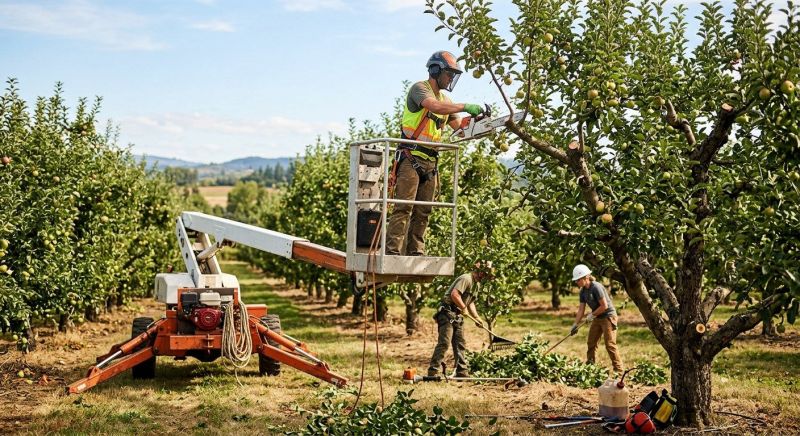
Orchard Tree Pruning in San Jose, CA
Orchard tree pruning services involve selectively trimming and shaping fruit trees to promote healthy growth, improve fruit production, and maintain safety on the property. This process typically includes removing dead or diseased branches, thinning out crowded areas, and shaping the tree to ensure proper air circulation and sunlight exposure. Homeowners often request pruning for established orchard trees, young saplings, or trees that have become overgrown or unruly, aiming to enhance their orchard’s productivity and overall appearance.
Before requesting orchard tree pruning, property owners usually want to understand the specific goals for their trees, such as increasing fruit yield, managing size, or addressing safety concerns. It’s also helpful to consider the type and age of the trees, as different varieties and maturity levels may require tailored pruning approaches. Clarifying expectations about the scope of work and any particular issues, like disease or storm damage, can assist in planning the most effective pruning strategy for the orchard.
Many property owners in San Jose, CA look into Orchard Tree Pruning for repairs, replacements, upgrades, and appearance-related improvements.
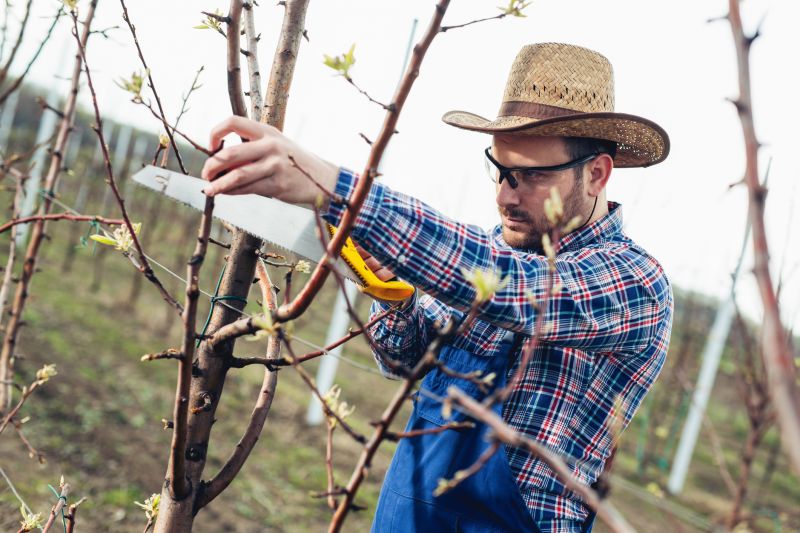
Tree Health And Growth
Pruning helps maintain the health and structural integrity of orchard trees in san jose.
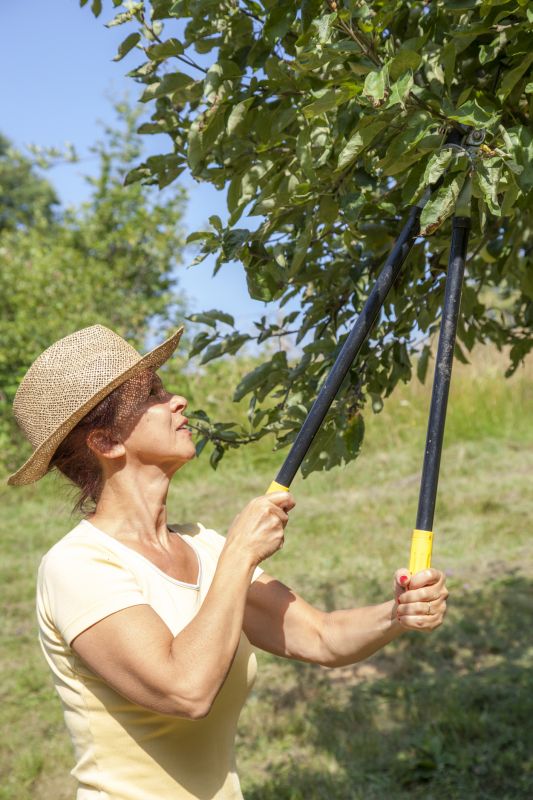
Fruit Production Enhancement
Proper pruning encourages better fruit yield and quality for orchard trees.
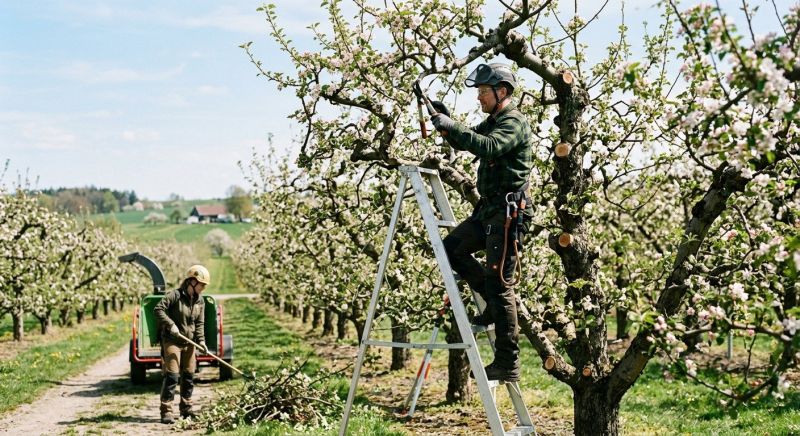
Safety And Property Protection
Removing dead or overgrown branches reduces the risk of damage to property and nearby structures.
Orchard Tree Pruning in San Jose, CA
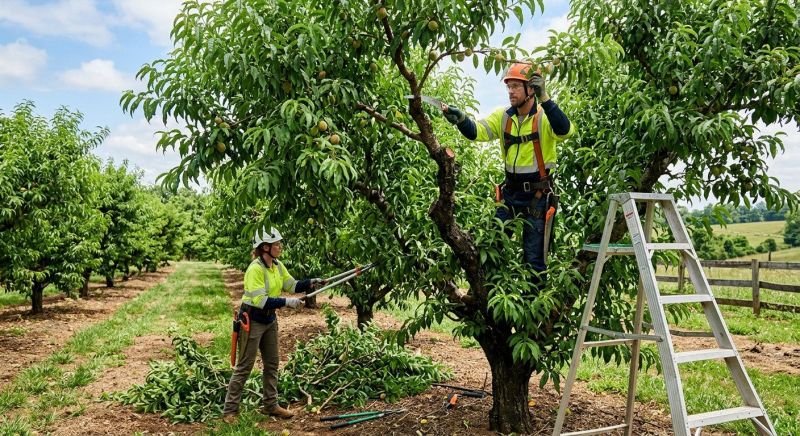
Orchard tree pruning services involve selectively trimming and shaping fruit trees to promote healthy growth, improve fruit production, and maintain safety on the property. This process typically includes removing dead or diseased branches, thinning out crowded areas, and shaping the tree to ensure proper air circulation and sunlight exposure. Homeowners often request pruning for established orchard trees, young saplings, or trees that have become overgrown or unruly, aiming to enhance their orchard’s productivity and overall appearance.
Before requesting orchard tree pruning, property owners usually want to understand the specific goals for their trees, such as increasing fruit yield, managing size, or addressing safety concerns. It’s also helpful to consider the type and age of the trees, as different varieties and maturity levels may require tailored pruning approaches. Clarifying expectations about the scope of work and any particular issues, like disease or storm damage, can assist in planning the most effective pruning strategy for the orchard.
Many property owners in San Jose, CA look into Orchard Tree Pruning for repairs, replacements, upgrades, and appearance-related improvements.
Common Orchard Tree Pruning Jobs
Fruit Tree Pruning - helps improve fruit production and overall tree health.
Crown Thinning - reduces canopy density to allow better light penetration and air circulation.
Structural Pruning - shapes trees to promote strong branch growth and reduce risk of damage.
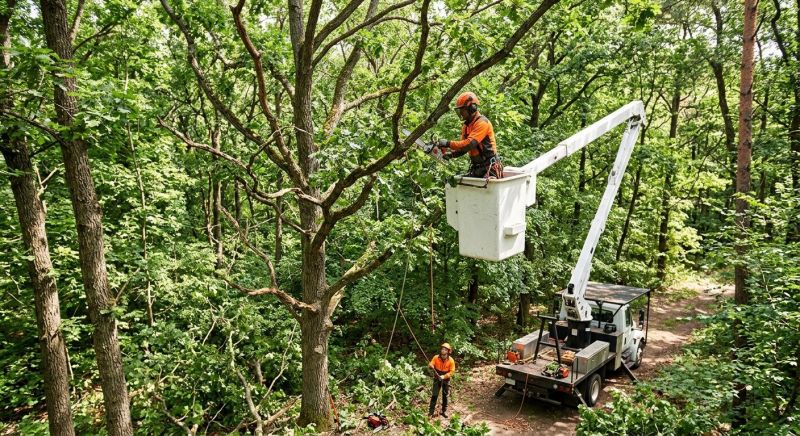
Deadwood Removal - eliminates diseased or damaged branches to prevent decay and pests.
Seasonal Pruning - maintains tree health and appearance throughout the year.
Young Tree Training - guides early growth for a strong, well-structured mature tree.
Orchard Tree Pruning Questions
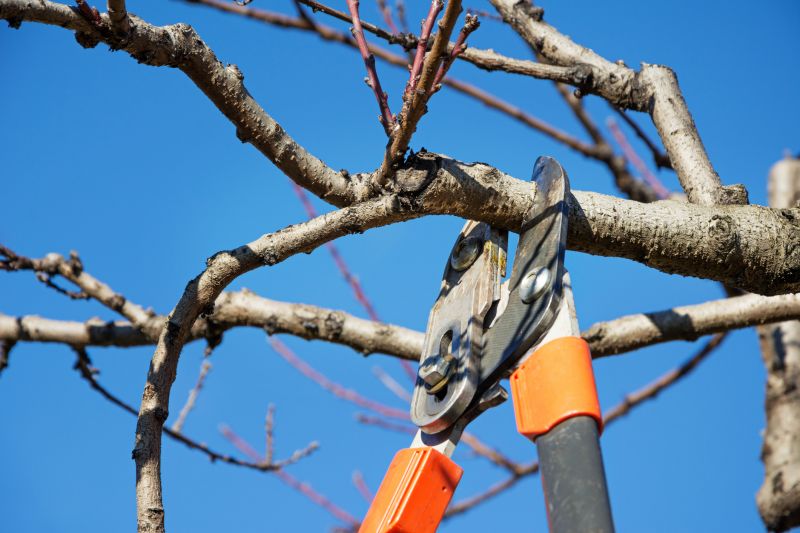
What is orchard tree pruning? Orchard tree pruning involves removing specific branches to improve tree health, shape, and fruit production.
When is the best time to prune orchard trees? The ideal time is during dormancy, typically late winter to early spring, before new growth begins.
Why is pruning important for orchard trees? Proper pruning enhances sunlight exposure, air circulation, and reduces disease risk, leading to better yields.
What types of pruning are common for orchard trees? Thinning, heading, and shaping are common techniques used to promote healthy growth and fruit development.
Request Orchard Tree Pruning in San Jose, CA
Use the quote form on this page to share the basics of your project and request more information for the type of work you need.